Posted on

Codeskull is officially launched!


We welcomed St Paul local author (she lives 2 blocks away from the store!) Chloe Spencer to the store on June 17 to celebrate the launch of her first young adult science fiction/horror novella! We love celebrating local authors – it takes so much bravery to put yourself out there and the least we can do is honor all of that hard work and commitment!

It was a joy and a privilege to have Chloe celebrate her launch at the store. We had so much fun – even when we were scared by her book!
She signed a bunch of her books for us, met with fans, and brought the coolest custom cake and cupcakes! Slap bracelets and silly bands tied together our escape to the 90s and at the end of the evening, we cheered Chloe on as she put her brand new book on the shelf with all of our other New Releases. We can’t wait to see it next on the Bestsellers table!

Congratulations, Chloe! What an incredible achievement. We’re so thrilled for you!

Posted on

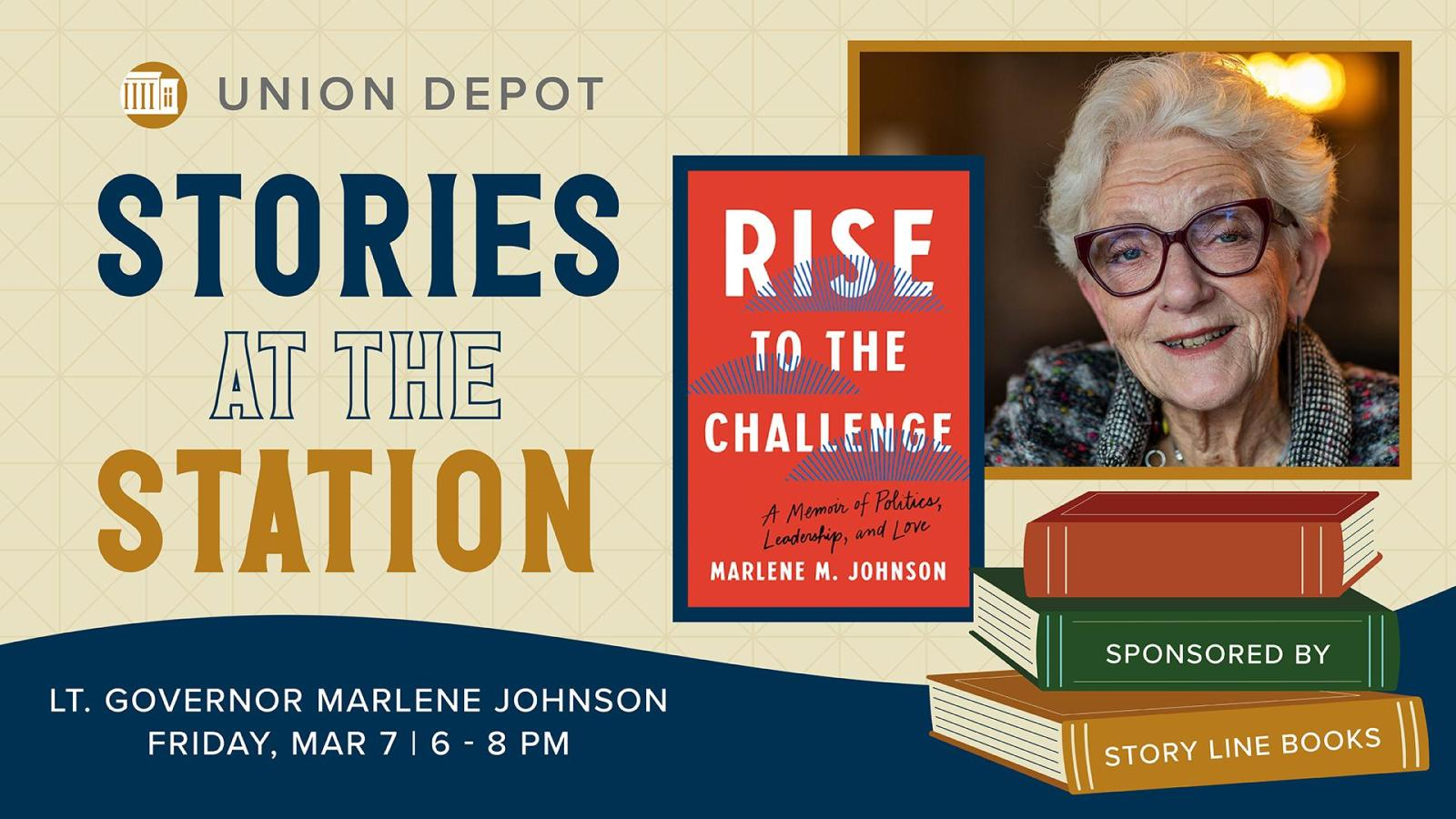
Stories at the Station – Lt. Gov. Marlene Johnson


Join former Minnesota Lieutenant Governor Marlene M. Johnson and former Speaker of the Minnesota House, Margaret Anderson Kelliher for a discussion of Lt. Gov. Johnson’s memoir, Rise to the Challenge.

Rise to the Challenge: A Memoir of Politics, Leadership, and Love

The inspiring life story of Minnesota’s first woman lieutenant governor: breaking political ground, navigating patriarchal tradition, and persevering through great personal loss

About Marlene M. Johnson:

Marlene M. Johnson was Minnesota’s first woman lieutenant governor, serving in Governor Rudy Perpich’s administration from 1983 until 1991. She is cofounder of the Minnesota Chapter of the National Association of Women Business Owners and the Minnesota Women’s Campaign Fund and was executive director and CEO of NAFSA: Association of International Educators for nearly two decades. She is now on the advisory board of Kakenya’s Dream, a board member of the Washington Office on Latin America, and a trustee of The Alexandria Trust. In 1988, she was awarded the Royal Order of the Polar Star by the Kingdom of Sweden. She lives in Washington, D.C.

About Margaret Anderson Kelliher:

Margaret Anderson Kelliher was appointed City Operations Officer for the City of Minneapolis by Mayor Jacob Frey and confirmed by the Minneapolis City Council in 2024. In this pivotal role, she leads key departments, including Civil Rights, Public Works, and 17 departments under Internal Services, Communications and Engagement, and Development, Health, and Livability.

Before her appointment, she served as Minnesota’s Commissioner of Transportation, where she prioritized safety, climate resilience, and equity within the transportation system. She has also led the Minnesota Technology Association, chaired Governor Dayton’s Broadband Task Force, and pioneered a paid internship program to connect small businesses and students with opportunities in technology and sciences.

A former member of the Minnesota House of Representatives for twelve years, she made history as the first woman to serve as Speaker of the House. During her tenure, she was a passionate advocate for renewable energy, transportation infrastructure, and the Legacy Amendment, which supports clean water and conservation efforts in Minnesota.

Posted on

Native American Heritage Month in Minnesota

Native American Heritage Month is a time to honor and celebrate the rich cultures, histories, and contributions of Native American tribes across the United States. In Minnesota, with its deep connections to Native American heritage, there are many ways to explore and appreciate the traditions, stories, and ongoing legacy of Indigenous communities, particularly the Dakota and Ojibwe tribes. Here are some ways to learn more and engage with Minnesota’s Native American history.

A Look at Minnesota’s Indigenous Tribes

Minnesota’s name itself has Indigenous roots, derived from the Dakota word Mni Sota Makoce, meaning “land where the waters reflect the clouds.” The Dakota and Ojibwe tribes are the primary Native American communities in the state, each with unique languages, cultural practices, and historical backgrounds.

Known for their deep connection to the land, the Dakota people were the original inhabitants of Minnesota. They have faced numerous challenges and displacements, particularly after the U.S.-Dakota War of 1862. Many Dakota now live on reservations such as the Prairie Island Indian Community, Upper Sioux Community, and Lower Sioux Indian Community, where cultural traditions continue to thrive.

The Ojibwe people migrated to the Great Lakes region centuries ago. In Minnesota, they are part of the larger Anishinaabe community, including tribes like the White Earth Nation, Red Lake Nation, and Leech Lake Band of Ojibwe. Ojibwe culture is vibrant in Minnesota, with a strong emphasis on language, storytelling, and environmental stewardship.

Key Sites to Visit for Learning About Native American Heritage in Minnesota

Minnesota offers several historical sites, cultural centers, and museums dedicated to preserving and sharing Native American history. Here are a few must-visit places to deepen your understanding of Native American heritage:

  • Minnesota History Center (St. Paul):
    The Minnesota History Center hosts exhibits and resources dedicated to Native American history, including artifacts and stories from Dakota and Ojibwe tribes. The “Our Home: Native Minnesota” exhibit is a comprehensive display that explores Native communities’ resilience, history, and ongoing contributions in Minnesota.
  • Mille Lacs Indian Museum and Trading Post (Onamia)
    Run by the Minnesota Historical Society, the Mille Lacs Indian Museum provides a thorough introduction to the Mille Lacs Band of Ojibwe’s history and culture. The museum features exhibits on the Ojibwe way of life, arts, and traditional crafts, as well as a trading post with authentic Native American art and goods.
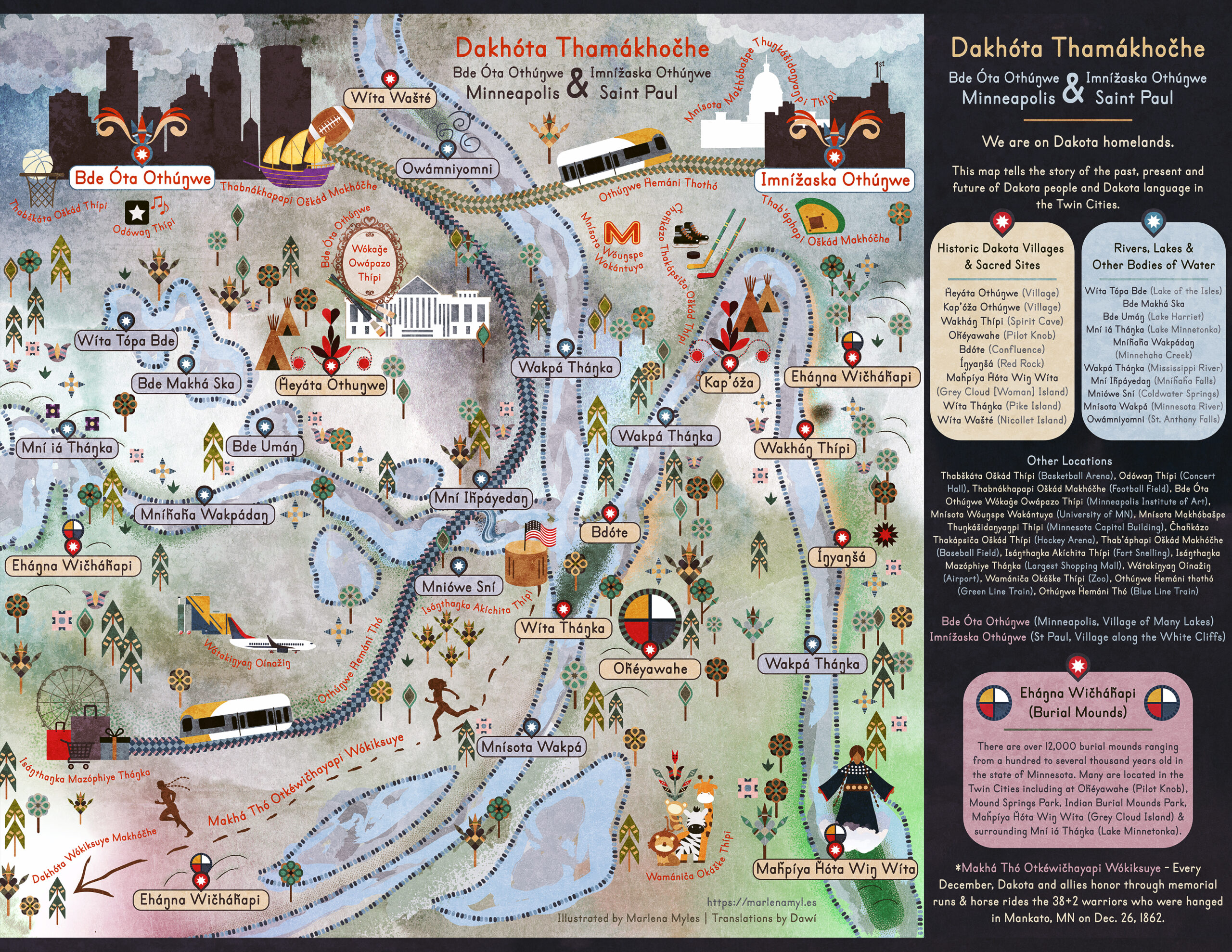
  • Bdote Memory Map
    Bdote is a Dakota word for the place where two rivers meet, specifically the confluence of the Mississippi and Minnesota Rivers, which holds significant cultural and spiritual meaning for the Dakota people. The Bdote Memory Map is an online interactive resource that guides users to various sites important to Dakota history. By exploring this map, you can learn about sacred sites, historical events, and the Dakota people’s profound connection to the land.
  • Lower Sioux Agency Historic Site (Redwood County)
    The Lower Sioux Agency is where the U.S.-Dakota War of 1862 began. This historical site includes a visitor center that shares the history of the war and the impact it had on the Dakota people. The site offers insights into Dakota life before the war and highlights the community’s ongoing efforts to preserve and promote Dakota culture and history.
  • The American Indian Cultural Corridor (Minneapolis)
    Located in Minneapolis, the American Indian Cultural Corridor is a hub for Native American businesses, art galleries, and community spaces. Events, markets, and gatherings along Franklin Avenue bring together Indigenous voices and talents, allowing visitors to experience contemporary Native culture in a dynamic, urban setting.

Resources for Learning About Native American History in Minnesota

In addition to physical sites, there are many resources for deepening your knowledge about Native American heritage in Minnesota:

  • Native Governance Center: This nonprofit organization works to support Native nations in Minnesota, North Dakota, and South Dakota. Their website offers educational resources, training programs, and community events that center on Indigenous governance and leadership.
  • Minnesota Indian Affairs Council: As the state’s official liaison for Native American tribes, the council provides resources on Minnesota’s tribal nations, historical policies, and cultural heritage. They host various programs that promote Native American rights and resources.
  • Indian Country Today: Although not exclusive to Minnesota, this independent news outlet provides in-depth reporting on issues affecting Native American communities. Their articles often feature stories about the Dakota and Ojibwe in Minnesota, making it a valuable source for current events and cultural insight.

How to Honor Native American Heritage Month

Honoring Native American Heritage Month can take many forms. Here are some meaningful ways to participate and show respect:

  • Learn About Land Acknowledgments: Many organizations in Minnesota now begin events and meetings with a land acknowledgment, recognizing the traditional lands of the Dakota and Ojibwe tribes. Learning how to craft a respectful acknowledgment of Indigenous lands can be a powerful step in showing respect for Native history and culture. Here is ours:

“At Story Line Books, we respectfully acknowledge that our bookstore in St. Paul, Minnesota, occupies the traditional, ancestral, and contemporary lands of the Dakota people, specifically the Wahpekute and other Dakota tribes, who have stewarded this land throughout generations. We recognize the continuing connection that Dakota and Ojibwe people have to this land, as well as their enduring cultural, spiritual, and historical contributions.

As we gather here, we honor the Dakota and Ojibwe peoples and their resilient heritage. We commit to learning, supporting, and amplifying Native voices, especially those of Indigenous authors, artists, and community leaders. In acknowledgment of the Indigenous communities who are integral to Minnesota’s past, present, and future, we dedicate ourselves to fostering respect, inclusivity, and meaningful collaboration with Native communities.”

  • Support Native-Owned Businesses: Minnesota is home to numerous Native-owned businesses, particularly along the American Indian Cultural Corridor. Purchasing from Native artisans and businesses is a direct way to support Native entrepreneurs and creatives. Specifically, go to Birchbark Books in Minneapolis. It’s glorious.
  • Attend Cultural Events: Many events celebrating Native American culture are held throughout November. From storytelling events to powwows, participating in these gatherings can provide a meaningful experience and a deeper appreciation of Native traditions.

Native American Heritage Month is a time to listen, learn, and connect with Minnesota’s Indigenous communities. By visiting these places, exploring resources, and engaging thoughtfully, we can all gain a richer understanding of the Native American history and culture that shapes Minnesota today.

Posted on

Thankfulness in November

Everyone tells you about fall in Minnesota, but you really don’t get it until you’ve seen it with your own eyes.

We still can’t really believe we get to live here! St. Paul is a truly amazing place. This town has seen it all – a time in the spotlight as an international trading hub, growing pains, being outshone by a glamourous little sister city. We’ve all been there.

No matter what, though, you just can’t count St. Paul out. The city never stopped growing but it’s experiencing another spurt right now. City organizers are aiming for thousands of new residents in the next half-decade, and the lofty goal isn’t insane.

Now, we get to be a part of it.

People ask me, fairly frequently, if I’m crazy for opening a new business in Lowertown. As I admitted to Jim Walsh of the Star Tribune (article linked above), I probably am. No place is without its challenges, but through these rose-colored glasses I fell in love with St. Paul and Lowertown and its amazing food and cute little parks. The tugboats parked in the Mississippi like it’s still 1900 add to the charm. I look around and all I can see are these stunning architectural masterpieces that have seen a dozen lives and are ready for another new take.

I’ve been collecting stories over the last month. Our neighbors remember our space in Union Depot as a French restaurant, a BBQ joint, a SoulCycle studio, a cotton-candy store, and “where the bike store used to be” (they’re just down the hall now). We found pictures from before the HVAC was installed, when the ceilings were another 8 feet taller, and the artist-in-residence used every inch for his extraordinary sculptures. Now, it’s books.

We appreciate your patience as we get our feet under us. We want to be a place that deserves to be a part of St. Paul’s story, and we’re working hard towards that goal. Your feedback is always welcome, and we can’t wait to meet you all! Just be ready to talk books!

Posted on 1 Comment

We’re going on an adventure!

Because this blog post is over a week behind schedule, there is a lot to catch you up on.

First, hi. I’m Dani. I opened Story Line Books on September 28th in St. Paul, Minnesota. We’re located inside Union Depot, which is the incredibly historic train station wedged between Lowertown and the Mississippi. She’s a grand ol’ thing, and I’m so blessed to call her home.

Housekeeping: we’re open from 8-8 every day but Tuesdays. That might change as the days get shorter, but for now that’s where you’ll find me. We carry a good mix of every genre (you can check out our full inventory [here]) and if we don’t have it, I’ll get it for you. We also host author events, signings, and other bookish community events throughout the year, so be sure to [subscribe] to my newsletter to keep up on everything happening.

You may have noticed that I said I opened the store in September, which was (yes) two weeks ago. I’m sorry it has taken me so long. I can’t promise that the wait be worth it, but I assure you that I’ll fill you in about everything that’s happened to bring us here.

For now, I just wanted to welcome you to my new life. I could not be more thrilled to take off on this adventure, and I’m looking forward to sharing it with you and with my wonderful new home in Minnesota.

“It’s a dangerous business, Frodo, going out your door. You step onto the road, and if you don’t keep your feet, there’s no knowing where you might be swept off to.” ― J.R.R. Tolkien, The Lord of the Rings